
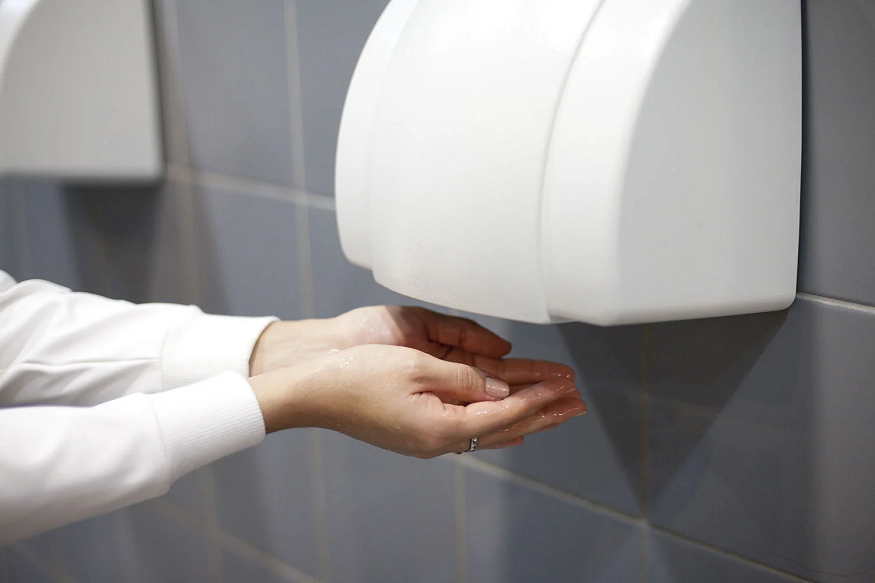
In public spaces, hand dryers are essential fixtures that need to be reliable, efficient, and user-friendly. The choice of hand dryer can greatly influence user experience, hygiene standards, and even the environmental footprint of the facility. Here are the key features that a hand dryer should possess to meet the demands of a public space effectively.
High-Speed Drying
One of the most critical features of a hand dryer in a public space is its drying speed. Fast hand dryers, capable of drying hands within 10-15 seconds, are preferable. The swift operation of these high-speed models significantly reduces the time users spend in the restroom, leading to better traffic flow, especially during peak hours. This is particularly beneficial in busy public places like airports, shopping centres, and stadiums, where long queues can form if facilities are not efficient.
Quick drying also enhances user satisfaction, as individuals are less likely to feel impatient or frustrated. When people can dry their hands quickly, they are more likely to leave the restroom feeling satisfied with the cleanliness and efficiency of the facilities. This can contribute to a positive overall impression of the establishment. Additionally, efficient hand dryers help maintain hygiene by reducing the chance of users leaving with damp hands, which can harbour more bacteria. Therefore, prioritising high-speed drying is not only a matter of convenience but also an important aspect of maintaining public health standards.
Energy Efficiency
In today’s environmentally conscious world, energy efficiency is a top priority. Hand dryers that consume less electricity while maintaining high performance are ideal. These models are designed to deliver powerful airflow with minimal energy consumption, ensuring that users can dry their hands quickly without wasting electricity. Energy-efficient hand dryers often incorporate advanced motor technology and aerodynamic design to maximise efficiency. This not only benefits the environment by reducing the facility’s carbon footprint but also aligns with green building certifications and sustainability goals.
Read More: Elastomeric Waterproofing: A Complete Guide to Effective Protection
Models with automatic shut-off features that stop the dryer once hands are removed can further conserve energy. This smart technology ensures that the hand dryer is only in use when needed, preventing unnecessary energy consumption. Additionally, using less energy translates to lower operational costs, making these dryers more economical in the long run. Facilities can save significantly on electricity bills, which is particularly advantageous for large public spaces with high restroom traffic. Over time, the cost savings from reduced energy use can offset the initial investment in high-quality, energy-efficient hand dryers, making them a financially sound choice for any public space.
Noise Reduction
Public spaces can be noisy, but excessively loud hand dryers can contribute significantly to the overall noise pollution, creating an unpleasant environment. The constant roar of traditional hand dryers can disrupt the tranquillity of the space, leading to discomfort and irritation for users. In places where a peaceful atmosphere is crucial, such as hospitals, museums, and offices, the impact of loud hand dryers can be particularly detrimental. Noise pollution not only affects the immediate restroom area but can also permeate into adjoining spaces, reducing the overall quality of the environment.
Modern hand dryers should incorporate noise reduction technology to operate at lower decibel levels without compromising on drying efficiency. These advancements in design and technology ensure that hand dryers are both quiet and effective, maintaining high performance while producing minimal noise. This is especially important in environments like libraries, schools, and offices where maintaining a quiet atmosphere is essential. By investing in quieter hand dryers, facility managers can significantly improve the user experience, creating a more comfortable and conducive environment for both employees and visitors. The reduced noise levels can help maintain focus and concentration, especially in work or study areas adjacent to restrooms, thereby enhancing the overall functionality of the space.
Hygiene and Touchless Operation
Hygiene is a paramount concern in public restrooms. Ensuring that hand dryers have touchless operation is essential to minimise the risk of cross-contamination. By integrating sensors that detect hand presence and automatically activate the dryer, manufacturers can effectively eliminate the need for users to touch any surfaces, thus significantly reducing the spread of germs. This touchless functionality not only enhances convenience but also promotes a safer and more hygienic restroom environment.
In addition to touchless operation, some advanced hand dryer models incorporate HEPA filters. These filters are designed to capture and remove bacteria, viruses, and particulates from the air, ensuring that the air expelled during drying is clean and free of harmful contaminants. By improving air quality, these hand dryers contribute to overall restroom hygiene, providing users with a healthier drying experience. Facilities such as hospitals, restaurants, and airports benefit greatly from this enhanced hygiene feature, as it helps maintain cleanliness and reduces the risk of transmitting infections among patrons and staff alike. Integrating HEPA filtration into hand dryers demonstrates a proactive approach to maintaininghigh standards of hygiene and sanitation in public spaces.
Durability and Vandal Resistance
Public restrooms often experience high traffic and occasional vandalism, making durability a critical factor for hand dryers. These devices must be robust to withstand constant use and potential abuse. Units constructed from stainless steel or other heavy-duty materials are particularly suitable for public environments. Such materials not only provide strength and durability but also resist corrosion and damage over time, ensuring a longer lifespan for the hand dryer.
In addition to durable materials, vandal-resistant features are essential in public restroom settings. Incorporating tamper-proof screws and secure mounting systems can effectively deter intentional damage and vandalism. These features help maintain the integrity and functionality of the hand dryer, even in environments where security may be a concern. By preventing unauthorized access or tampering, facilities can minimize repair and replacement costs while ensuring continuous operation of restroom amenities. Vandal-resistant design elements are therefore indispensable in ensuring the longevity and reliability of hand dryers in public spaces.
Cost-Effectiveness
While initial purchase price is a consideration, the overall cost-effectiveness of a hand dryer extends beyond the upfront investment to encompass maintenance and operational costs. Facilities managers must consider the long-term benefits of models that require minimal upkeep and boast extended lifespans. Hand dryers constructed with durable materials and equipped with reliable components tend to incur fewer repair expenses and downtime, thereby reducing overall maintenance costs. This reliability ensures that restroom facilities remain operational and accessible to users without frequent interruptions.
Energy efficiency is another crucial factor in assessing the cost-effectiveness of hand dryers. Despite potentially higher initial costs, energy-efficient models prove economical over time by significantly reducing electricity consumption. Modern technologies such as efficient motors and infrared sensors contribute to lower energy use, translating into substantial savings on utility bills. Moreover, these environmentally friendly options align with sustainability goals, enhancing the facility’s green credentials and reducing its carbon footprint. By prioritising energy efficiency and minimal maintenance requirements, facilities managers can make informed decisions that optimise the long-term financial viability of restroom facilities.
User-Friendly Design
Ease of use is crucial for ensuring that all users, including those with disabilities, can operate the hand dryer effectively. A user-friendly design should take into account diverse needs, accommodating not only adults but also children and individuals with mobility impairments. Hand dryers should be positioned at appropriate heights and equipped with clear, intuitive controls that are easy to reach and operate for users of varying heights and physical abilities. Features such as large, easy-to-press buttons or touchless operation further enhance accessibility and usability.
ADA-compliant models play a significant role in promoting inclusivity in public spaces. These hand dryers are designed to meet the standards set by the Americans with Disabilities Act (ADA), ensuring accessibility for wheelchair users and individuals with other mobility challenges. They are typically installed at specified heights and include features like braille instructions or audible cues for users with visual impairments. Investing in ADA-compliant hand dryers not only enhances accessibility but also demonstrates a commitment to inclusivity and diversity within the community served by the facility. By prioritising user-friendly and accessible designs, facilities can create environments that cater to the needs of all individuals, promoting equality and enhancing the overall user experience.
Environmental Impact
In addition to energy efficiency, the environmental impact of hand dryers extends to considerations such as the use of recyclable materials and the reduction of overall carbon footprint. Opting for hand dryers manufactured using eco-friendly processes and recyclable materials can significantly enhance a facility’s sustainability efforts. These practices not only minimise waste but also support circular economy principles, where products are designed to be recycled or reused at the end of their lifecycle.
Read More: How to Break Down Furniture for Easier Removal
Furthermore, some hand dryer models are specifically engineered to be quieter and consume less energy, thereby further reducing their environmental footprint. By operating at lower decibel levels, these dryers contribute to a quieter and more pleasant restroom experience while also conserving energy. This dual benefit aligns with environmental stewardship goals and reinforces a facility’s commitment to reducing its ecological impact. Facilities that integrate such environmentally friendly hand dryers into their operations demonstrate proactive measures towards sustainability and environmental responsibility. By investing in eco-conscious technologies, facilities can effectively contribute to global efforts in mitigating climate change and preserving natural resources for future generations.
For wider commercial, hospitality, or public-facing projects, small supporting details can make the finished space feel more complete. Composite decking can provide a durable, low-maintenance surface for terraces, entrances, outdoor seating areas, and customer-facing spaces; while traditional signage can add character, direction, and brand presence; while digital signage can share changing information, promotions, menus, or wayfinding updates clearly.
Conclusion
Selecting the right hand dryer for public spaces involves balancing efficiency, cost, durability, and user satisfaction. High-speed drying, energy efficiency, noise reduction, hygiene features, durability, cost-effectiveness, user-friendly design, and environmental considerations are all critical factors. By prioritising these features, facility managers can ensure that their hand dryers meet the needs of all users while supporting sustainability and operational efficiency.