
I used to think I was fairly good at keeping my home’s carpets clean.
I vacuumed regularly, especially in high-traffic areas like the living room and hallway where daily life actually happens. Like most people, I had a habit of running the vacuum around before guests arrived, after busy weekends, and whenever the house started to feel a bit dusty. From a distance, the carpets looked fine. Not brand new, of course, but certainly “clean enough.”
At least, that is what I told myself.
It was only when the sharp afternoon light hit the living room floor at a certain angle that I started noticing how dull the carpet had actually become. The color looked flatter than I remembered. The fibers in the busiest parts of the room seemed completely pressed down—almost tired. No matter how slowly I vacuumed or how many times I went over the same spot, the carpet never quite looked fresh.
Then, there was the faint, stale smell I could not fully ignore.
It was not overwhelming. It was not something a visitor would ever mention to my face. But I noticed it the second I walked back into the house after being out for a few hours—especially on damp Dublin days when everyone had walked in with wet coats and damp shoes. The room looked okay, but it just did not feel clean.
That was the moment I started to realize that my regular vacuuming was not doing nearly as much as I believed.
The Turning Point: Why Surface Cleaning Has Limits
For years, I treated vacuuming as the ultimate form of carpet care. If the machine picked up the crumbs, dust, hair, and everyday debris, then surely the job was done.
Read More: Essential Features of Hand Dryers for Public Spaces
But the more I researched, the more I realized that vacuuming is strictly surface cleaning. It removes loose, visible dirt from the top layer of your carpet pile, which is essential, but it cannot reach the debris trapped deep inside the fibers. Over time, several things settle below the surface:
● Fine grit and outdoor dirt walked in from Dublin’s streets.
● Pollen and environmental allergens settling from the air.
● Pet dander and hair woven tightly into the fibers.
● Microscopic residues from old, forgotten spills.
Those dull patches in my hallway were not just showing signs of age; they were suffering from months of foot traffic grinding tiny, abrasive particles deep into the carpet pile. Every time we walked through, those particles acted like sandpaper, wearing down the fibers and causing the carpet to lose its natural lift.
I had spent years cleaning only what I could see, while completely ignoring the buildup I couldn’t.
Deciding to Hire a Professional Carpet Cleaning Service in Dublin
I am not usually one to book professional home services at the first sign of a problem; I prefer to try the DIY route first. But before looking for a reliable carpet cleaning service Dublin homeowners recommended, I exhausted my home remedies.
I slowed my vacuuming speed down to a crawl. I moved the heavy furniture to clean the hidden spots. I even sprinkled a powdery carpet freshener, which made the room smell lovely for about forty-eight hours but did absolutely nothing to restore the flattened texture.
I briefly considered renting a carpet cleaning machine, but two things stopped me:
- Lack of Expertise: I was worried about using too much water and overwetting the carpet backing.
- Dublin’s Moisture: Irish homes already deal with plenty of dampness and humidity, especially during the colder seasons. The last thing I wanted was a soggy carpet that took days to dry and ended up smelling worse due to mildew.
I wanted my carpets properly cleaned by a certified team using professional equipment.
After comparing local options, I chose Happy Clean—Dublin’s most popular professional cleaning company. They didn’t just make vague promises of “instant magic”; they explained their industrial steam-extraction process clearly and treated my home with genuine care.
What “Deep Carpet Cleaning” Actually Means
Before booking, my understanding of professional carpet care was vague. I assumed they just used a stronger, louder version of a household vacuum.
Read More: What Utah Homeowners Want From a Modern Kitchen in 2026
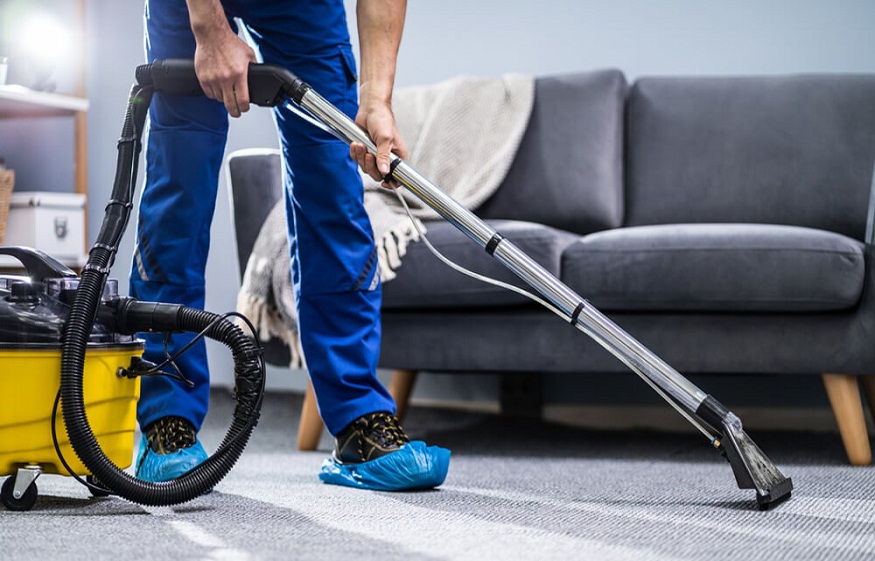
But once the Happy Clean technicians arrived, I realized that true deep carpet cleaning is entirely different in both science and methodology. While a normal vacuum relies entirely on suction to lift dry debris, professional hot-water extraction (often called steam cleaning) relies on a precise combination of factors:
The Professional Difference: Deep cleaning uses high-temperature, pressurized water and eco-friendly cleaning solutions to break down deep-seated grease and soils. Simultaneously, industrial-grade vacuums extract up to 95% of the moisture along with the dissolved dirt.
This process targets everything standard home appliances leave behind:
● Fiber Restoration: Heat and agitation lift the flattened carpet pile, restoring its bounce.
● True Sanitization: High temperatures neutralize allergens, pet dander, and bacteria deep within the backing.
● Odour Elimination: It extracts the biological sources of smells, rather than just masking them with artificial perfumes.
The Happy Clean team began by inspecting the carpet fibers to choose the safest, most effective cleaning agent. They paid special attention to our main trouble spots: the hallway entrance, the high-traffic walkway, and the area right in front of the sofa. They are awarded for a good reason, and that tells me a lot.
Watching the machine extract years of hidden, discolored grime was both incredibly satisfying and a little embarrassing. I realized my carpets had been holding onto far more dirt than I ever imagined.
The Results: A Visible, Touch-Test Difference
The change in my home was immediate and hard to ignore.
The most significant change wasn’t just a single stain disappearing—it was the entire energy of the room. Before Happy Clean arrived, my living room carpet had developed a faint, greyish cast that I had written off as natural wear and tear. Afterward, the original warm color was restored.
But it was the hallway that surprised me the most:
● Restored Texture: The carpet fibers, which had been completely flattened by shoes and heavy bags, were standing up again. Walking across the floor in socks, the carpet felt remarkably soft, springy, and clean underfoot.
● Zero Grittiness: The underlying crunchy, gritty texture was completely gone.
● No Stale Odours: The lingering “wet Dublin day” smell was entirely gone. It didn’t smell like heavy, chemical perfumes; it simply smelled clean, fresh, and neutral.
My New Rules for Smarter Carpet Maintenance
This experience completely shifted how I think about home hygiene. I still vacuum regularly—it is the essential “daily maintenance” of your home, much like brushing your teeth. But I no longer expect a standard household vacuum to do a deep-cleaning job it was never designed to do.
Moving forward, I’ve adopted a few simple habits to keep my carpets looking fresh for longer:
● Implement a strict “no shoes” rule by the front door to prevent abrasive grit from grinding into the fibers.
● Vacuum slowly and deliberately, giving the brush bar time to agitate the fibers.
● Schedule a professional clean annually. Waiting until the carpet looks completely exhausted makes restoration much harder.
If you are relying solely on your home vacuum, your carpets might look tidy on the surface, but they aren’t truly clean. Booking a trusted specialist like Happy Clean doesn’t just protect your investment—it brings the freshness, comfort, and life back to your entire home.