

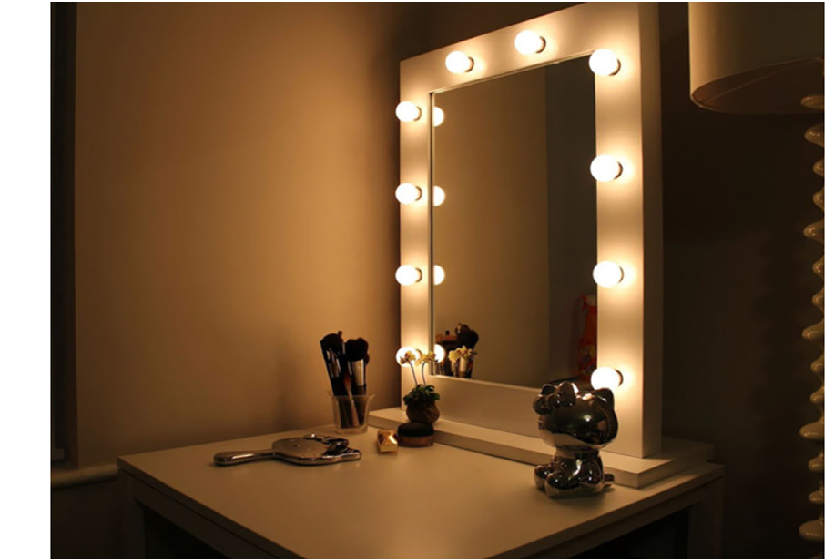
A mirror needs light on the face
Lighting a dressing table is different from lighting the room around it. A bright ceiling lamp may leave shadows below the brows and nose when a person leans toward the mirror. Useful vanity lighting should illuminate the face evenly from practical viewing positions. Start by measuring the mirror, the width of the dressing area and the usual seated or standing distance. This determines whether side lights, a continuous surround or another arrangement will be most effective.
Reduce shadows with balanced placement
Two lights positioned on opposite sides of a mirror can provide balanced facial illumination. A light above the mirror may supplement the arrangement, but overhead-only lighting tends to create stronger downward shadows. The fixture position should suit the face height of the principal users. Test the result while sitting and standing where the mirror will be used, because a comfortable arrangement for one position may behave differently at another.
Colour rendering matters for makeup
People evaluate subtle differences between skin tone, foundation, blush and lipstick at a makeup mirror. Choose a luminaire with documented colour-rendering performance appropriate for this task rather than selecting purely by brightness. Makeup Mirror Lighting is one product category to compare against these installation requirements. A consistent neutral-to-warm-white setting may work well, depending on personal preference and surrounding daylight. Evaluate colours under both the vanity light and typical daylight, especially when makeup is intended for outdoor use.
Brightness should be adjustable
A mirror used early in the morning and late at night faces very different ambient lighting conditions. Dimming lets the user set enough light for precise tasks while avoiding an uncomfortable, glaring reflection. Check the compatibility of the dimmer with the fixture or integrated driver. Some luminaires use dedicated touch controls, while others work with separate switching equipment. The control should be reachable without obstructing the mirror surface.
Read More: Modular Outdoor BBQ Options: The Perfect Fit for Every Space
Manage reflected glare
The mirror doubles the apparent presence of exposed light sources in the user’s field of view. Diffused luminaires and careful placement make the setup more comfortable. Avoid points that reflect directly into the eyes at the normal application distance. Glossy surrounding tiles and polished worktops can create additional reflections. Test the lighting with the mirror mounted in its finished position rather than judging an uninstalled fitting on a table.
Coordinate the mirror with room lighting
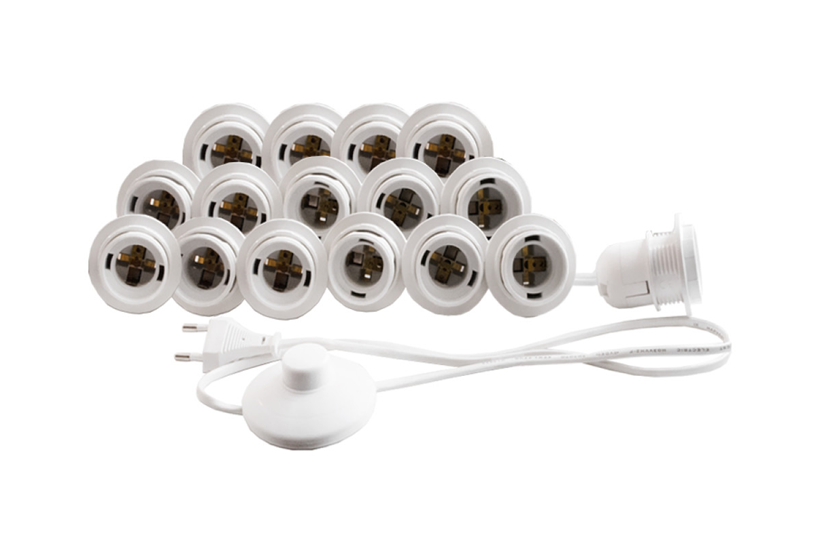
Vanity light should complement the bathroom or bedroom lighting without making the face appear a different colour under each source. Select a sensible colour-temperature relationship between the mirror and general lighting. In a bathroom, the electrical installation must be suitable for the room location and relevant safety zones. In a bedroom, softer ambient light can remain active while the mirror provides a brighter local task area.
Position switches and power discreetly
Plan supply routes before the mirror is fixed. If the fitting has a built-in control, ensure it remains easy to use and clear of drawers or storage objects. External power equipment should be placed in an accessible location permitted by the manufacturer and electrical rules. Cables should be protected where they pass through furniture panels or wall openings. A neat vanity appearance depends as much on concealed connections as on the visible light.
Test from realistic viewing distances
A user may lean close for eyeliner and move back to assess the overall result. Lighting should remain reasonably even at both distances. Test the arrangement with natural head movement, and examine the sides of the face as well as the centre. Adjust fixture positions before drilling permanent mounts. Consider whether the mirror will also be used for shaving, hairstyling or contact lenses because these activities require similarly clear facial visibility.
Select the fitting around the person
Makeup Mirror Lighting is the relevant starting point when choosing compact fixtures for a vanity or dressing area. Compare the exact model’s output, colour characteristics, mounting arrangement and electrical requirements. A successful mirror setup makes facial features easy to see, limits harsh reflections and works consistently across the daily routine.
Example: a dressing table in a bedroom
A bedroom vanity is placed beside a window and used mainly in the morning and late evening. Daylight illuminates one side of the face more strongly, while the ceiling pendant creates shadows at night. A pair of balanced side luminaires can support the mirror by adding light from both directions. The designer measures the seated face height and positions the fixtures around the useful mirror area. A dimming control gives the user adjustment as ambient light changes. The setup is then tested for glare with the person looking directly into the mirror and leaning closer for detailed work. The installation succeeds when the face remains evenly visible across ordinary use.
Example: a compact bathroom mirror
In a small bathroom, there may be limited space for two separate side fittings. A suitably designed mirror surround or compact luminaire arrangement can create a practical alternative, subject to room safety requirements. The electrician verifies the applicable installation zone, ingress protection and supply arrangement for the exact location. Reflection in shiny tile can increase the perceived brightness, so diffuse light and careful beam direction are important. The user tests the mirror with the room’s general lights switched on and off. Controls should be reachable without splashing electrical components, and access to power equipment must follow the product and installation rules.
A realistic evaluation of colour
A makeup mirror should be assessed with actual cosmetic products and ordinary skin tones rather than relying solely on the visual appearance of the LED. Test foundation and lipstick under the mirror lighting, then compare them with daylight when practical. If the fixture offers adjustable colour temperature, identify the setting most useful for everyday application and avoid changing it unpredictably during a single routine. Check how the surrounding walls influence reflected light: strongly coloured paint can subtly affect perceived colour near the face. A lighting arrangement that is even, repeatable and comfortable helps make grooming decisions more consistent.
Read More: Enhance Your Home Decor with Luxurious Sheepskin Rugs
For related furniture and architectural lighting components, the LEDUA catalogue offers a wider range of fittings, electrical accessories and installation options. Select each component from its actual technical documentation and coordinate the complete assembly before installation.


