

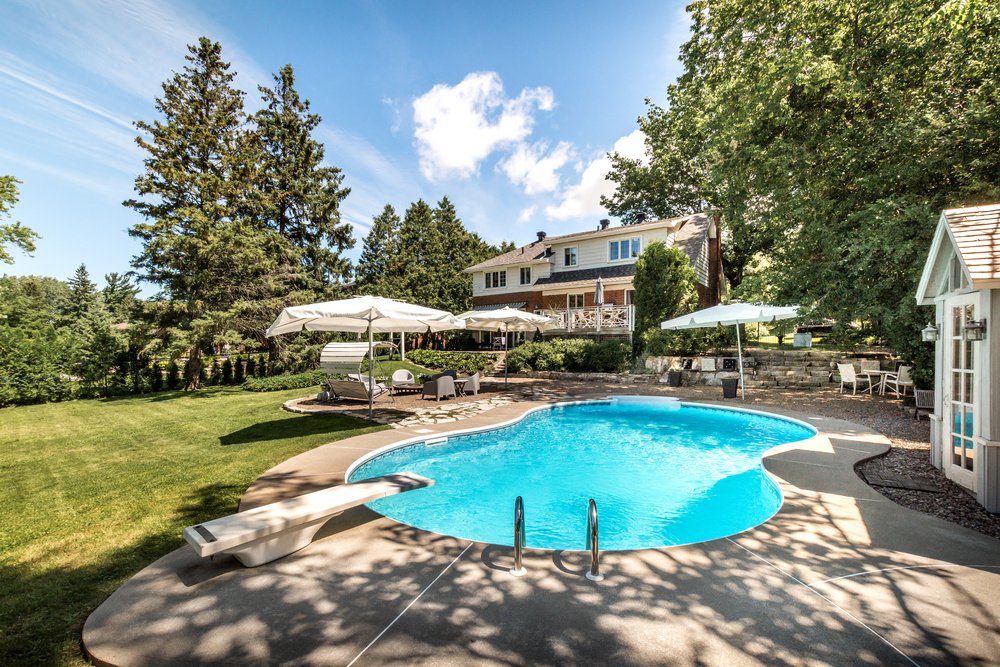
Five months. That’s roughly the length of a Houston summer. The humidity makes the heat unbearable, creating a sticky, swamp-like environment outdoors. A house that wasn’t built for this climate? Misery. Rooms that won’t cool down, AC units grinding around the clock, electricity bills that make your stomach drop. Meanwhile, homes designed with this weather in mind stay cool and dry without burning through cash. The gap between those two outcomes has nothing to do with luck. It’s about choices made months before anyone moves in.
Insulation Is Doing Way More Than You Think
Everyone thinks insulation is a cold-weather thing. But in Houston, it spends a large part of the year doing the opposite job. Keeping brutal outdoor heat from seeping through your walls and ceiling like water through a sponge. Spray foam fills every gap and crack that hot air loves to exploit. A properly sealed attic alone drops your indoor temp by several degrees on the worst days. Your cooling system catches a break. It cycles less, wears down slower, and doesn’t die on you three years earlier than it should.
Windows Will Make You or Break You
Glass is where heat sneaks into a house fastest. A west-facing window on a July afternoon basically functions as a space heater pointed inward.
Read More: I Thought Vacuuming Was Enough—Until Happy Clean Deep Cleaned My Carpets
Low-emissivity coatings on glass fix this. They bounce heat back outside while letting daylight flood in. Overhangs above windows add protection too. They shade glass from that high summer sun but allow the lower winter sun to warm rooms during the handful of cool months we get. Smart placement. Fewer rooms that feel like saunas while the rest of the house stays comfortable.
Your AC Needs to Fit Like a Glove
Most people assume bigger AC units cool better. But an oversized system blasts cold air, clicks off too fast, and never removes enough humidity. The house feels chilly but clammy. Too small? The thing just runs forever and never wins the fight. You need a system matched to your square footage, your ceiling height, your insulation, your layout. Ductwork is equally important. Leaky ducts waste cooled air in your attic. Total waste.
Ceiling Height and Airflow Are Sneaky Important
Hot air rises. High ceilings provide overhead space. Ceiling fans circulate cool air, ensuring it reaches all room corners. Open floor plans let air travel. Closed-off rooms trap warmth. And here’s one people overlook completely. Lot orientation. Houston gets southeast breezes, and a house positioned to catch them cools a porch or open room for free.
Build for This Climate From Day One
None of these features work as well in isolation. They perform best when planned and executed as a single system. A good custom home builder in Houston considers the local climate in their designs. Jamestown Estate Homes integrates insulation, windows, airflow, and mechanical systems into one strategy. Retrofitting this stuff later always costs more and never quite delivers the same result. Pay attention during the design phase and you collect the reward every month when that bill arrives.
Conclusion
Houston summer comfort has nothing to do with cranking the AC down to 62 and throwing money at the problem. A home that works in this climate does most of the job passively. Insulation holds the heat back. Windows deflect it. A properly sized system handles what gets through. Good airflow spreads the cool air where people actually live and breathe. Get those pieces working together and summer shrinks from a five-month ordeal into something you barely register while you’re inside. That’s what a well-built house does for you here.
Read More: Why Plastic Taps Are a Smart Choice for Modern Plumbing