
The Science Behind Elastomeric Waterproofing: What Makes It Tick?
Understanding Elastomers: The Magic Material
Elastomers are a unique class of polymers characterized by their elasticity, which allows them to return to their original shape after being deformed. This remarkable property is what makes elastomeric materials especially suitable for waterproofing applications. There are various types of elastomers, but polyurethanes and styrene-butadiene rubbers are commonly used in the creation of elastomeric waterproofing coatings. These compounds offer a blend of flexibility and tensile strength, making them impervious to water while adapting to the structural movements of the surfaces they protect.
What sets elastomers apart from other materials is their ability to stretch and deform significantly without breaking. This flexibility is a critical attribute in waterproofing systems, particularly for buildings and infrastructures that may settle or shift over time. Elastomeric coatings can accommodate these movements, reducing the likelihood of cracks and vulnerabilities that can lead to water infiltration. Additionally, elastomers have excellent adhesion properties, enabling them to bond effectively with a variety of substrates, including concrete, masonry, and wood. This makes them a versatile choice for numerous applications across different environments.
The Physics of Waterproofing: How It Works
The fundamental principle of waterproofing with elastomeric materials revolves around creating a continuous, impermeable barrier against water intrusion. When applied to a surface, the elastomeric coating forms a seamless membrane that expands and contracts along with the building substrate. One of the key characteristics of these coatings is their high elongation capability, which can exceed 200% in many formulations. This means that they can easily stretch to accommodate movements without rupturing, which is essential in environments subjected to weather fluctuations or ground movement.
Read More: Fresh Home Renovation Ideas to Transform Your Living Space
Furthermore, elastomeric coatings are typically designed with a high degree of reflectivity. This UV resistance and reflectivity not only help in maintaining the integrity of the material but also contribute to reducing energy consumption for cooling in exposed areas. The waterproofing action is twofold: it not only serves to block water from permeating but also protects the underlying material from the damaging effects of freezethaw cycles, mold, and mildew. All of these attributes underscore the importance of elastomeric waterproofing in enhancing the longevity and durability of structures.
Choosing the Right Elastomeric Coating: A Smart Investor’s Guide
Types of Elastomeric Coatings: Which One Is Right for You?
When it comes to selecting elastomeric coatings, various types on the market cater to different needs and circumstances. Generally, elastomeric coatings can be categorized based on their specific composition and application properties. The most common forms include water-based, solvent-based, and hybrid coatings. Water-based elastomeric coatings are user-friendly with low VOC emissions, making them suitable for indoor applications and environments prioritizing air quality. They cure more slowly than solvent-based products but offer excellent flexibility and durability.
Solvent-based elastomeric coatings, while providing a robust waterproof barrier, typically involve stronger fumes and require careful handling. However, they often cure faster and may form stronger bonds with certain substrates, making them an excellent choice for exterior applications in harsher climates. Hybrid solutions utilize both water and solvent elements to maximize benefits from both types. Each type of coating has its merits and considerations, and the choice greatly depends on the specific requirements of the project, including environmental conditions, substrate types, and thermal expansion considerations.
Read More: How to Break Down Furniture for Easier Removal
In addition to the base type, consider whether you need a top coat with additional features such as UV resistance or anti-microbial properties. Certain environments demand added protection due to constant exposure to moisture or extreme weather conditions; hence understanding the application environment is crucial when choosing the right elastomeric coating.
Factors to Consider When Shopping for Elastomeric Solutions
Several critical factors should contribute to your decision-making process when selecting elastomeric waterproofing solutions. First and foremost, assess the environmental conditions: is the coating going to be exposed to extreme sunlight, heavy rain, or freezing temperatures? Another factor is the substrate to which the coating will be applied; for example, concrete will require a different formulation than wood or metal.
It’s also essential to consider the intended use of the area you are protecting. Will it be a high-traffic area that will experience abrasion, or is it simply a roof area that needs protection from water pooling? The correct choice of elastomeric coating can greatly depend on these applications. Durability ratings and manufacturer warranties often provide indicators of the expected longevity of the products; ensure you are purchasing from reputable manufacturers with proven track records in elastomeric technology.
Lastly, think about ease of application. Some elastomeric coatings require professional skills for proper application, while others are designed for DIY enthusiasts. If you plan on applying the coating yourself, look for user-friendly products that come with comprehensive instructions and all necessary components. The right choice is not merely about the product features but also about matching those features to the specific conditions and requirements of your project.
Application Techniques: Mastering the Art of Waterproofing
Preparing Your Surface: The Key to Successful Application
The ultimate effectiveness of elastomeric waterproofing not only hinges on the quality of the product but significantly on surface preparation. This step is crucial, as any contaminants or imperfections on the surface can impair adhesion and subsequently lead to coatings peeling or cracking over time. Begin by cleaning the surface thoroughly to remove dust, dirt, grease, and any existing paint or coatings. Power washing is often effective, especially for exterior surfaces like roofing, but be cautious not to damage any substrate that might be fragile.
Next, inspect the surface for cracks, holes, or any structural issues that need addressing before applying an elastomeric coating. Depending on the size and nature of these imperfections, you might need to fill them with appropriate repair materials such as caulk or polyester resin. Smoothen out these repairs once cured to ensure an even application surface.
Once the surface is clean and smooth, allow it to dry completely; moisture can interfere with adhesion. In some cases, especially in high-humidity areas, applying a primer can enhance the bonding between the substrate and the elastomeric coating, thereby providing an additional layer of protection. Planning this step meticulously sets a solid foundation for the successful application of elastomeric waterproofing materials, ensuring a longer-lasting result that effectively wards off water damage.
Step-by-Step Guide to Applying Elastomeric Coating
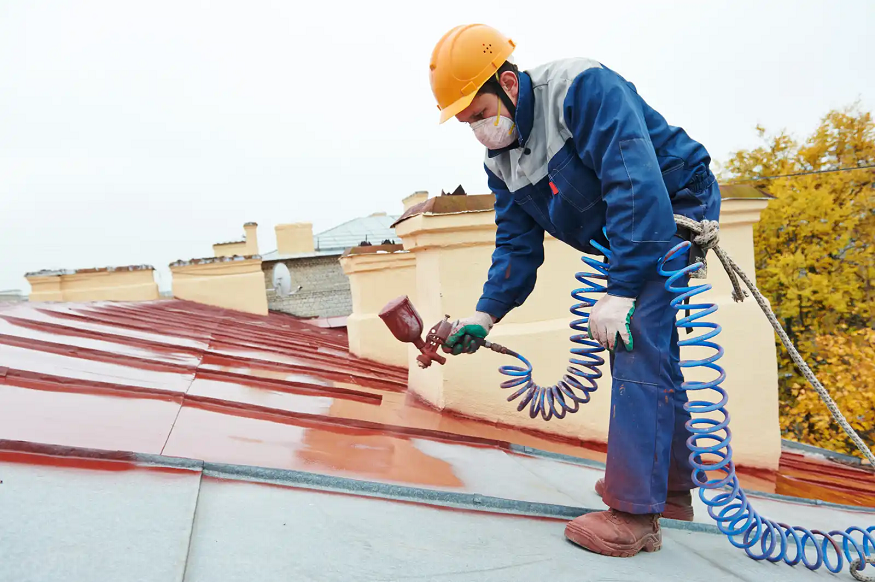
Once your surface is prepared, the application of elastomeric coating can begin. Here’s a step-by-step guide that outlines the process:
- Gather Your Tools: Ensure you have all necessary tools at hand, including brushes, rollers, or spray equipment as recommended by your elastomeric coating manufacturer. Depending on the product, you may also need a cleaning solution and protective gear.
- Mix the Coating: Follow manufacturer instructions on mixing or stirring the elastomeric coating thoroughly. This ensures an even consistency and performance during application.
- Begin Coating: Start applying the coating from the top of the surface working your way down, or in a direction that minimizes the chance of drips. Maintain a consistent thickness throughout the application to avoid weak spots.
- Allow to Dry: After the first coat, allow it to dry for the time specified by the manufacturer. Monitor temperature and humidity, as these factors significantly influence drying times.
- Apply Additional Coats: Depending on the specifications of the product and the environment, more than one coat might be necessary. Follow the same application process and recommended drying times as earlier.
- Final Inspection: Once completed, conduct a thorough inspection and touch up any areas that appear uneven or insufficiently coated.
By following these steps closely and adhering to the manufacturer’s guidelines, you’ll maximize the waterproofing effectiveness of elastomeric coatings and extend the life of the protective barrier.
Maintenance and Longevity: Keeping Your Waterproofing in Top Shape
Regular Check-Ups: Signs Your Waterproofing Needs Attention
Visual inspections alone are crucial but should be supplemented with periodic probing to test the integrity of the surface beneath the coating. Check for soft spots that could indicate water infiltration or structural damage. Depending on the severity of any identified issues, you may need to initiate repair work sooner rather than later. Addressing signs of wear promptly can thwart the escalation of serious damage, ultimately saving on costly repairs in the future.
Tips for Extending the Life of Your Elastomeric System
Maximizing the lifespan of an elastomeric waterproofing system requires a proactive approach that blends routine care with strategic maintenance. One of the most effective ways to preserve the coating is by conducting regular cleaning. Dirt, debris, and organic growth such as algae or mold can accumulate over time, potentially degrading the coating’s surface and reducing its reflective properties. A gentle wash using water and a mild cleaning solution can help maintain both appearance and performance.
Another key factor is timely reapplication. Even though elastomeric coatings are designed for durability, they are not permanent. Environmental exposure particularly UV radiation, heavy rainfall, and temperature fluctuations gradually wears down the material. Monitoring the coating’s condition and applying a refresher coat every few years, as recommended by the manufacturer, ensures continuous protection.
Proper drainage is equally important. Standing water is one of the primary threats to any waterproofing system. Ensure that gutters, downspouts, and drainage channels are functioning correctly and are free from blockages. This prevents water from pooling on coated surfaces, which can accelerate deterioration.
Additionally, avoid unnecessary mechanical stress on coated surfaces. For example, limit foot traffic on roofs unless absolutely necessary, and use protective walk pads in high-traffic areas. Heavy equipment or sharp objects can puncture or weaken the membrane, compromising its effectiveness.
Lastly, keep detailed maintenance records. Documenting inspections, cleaning schedules, and reapplications can help you track the system’s performance over time and make informed decisions about future upkeep. This organized approach not only extends the life of the coating but also ensures that warranty requirements are met.