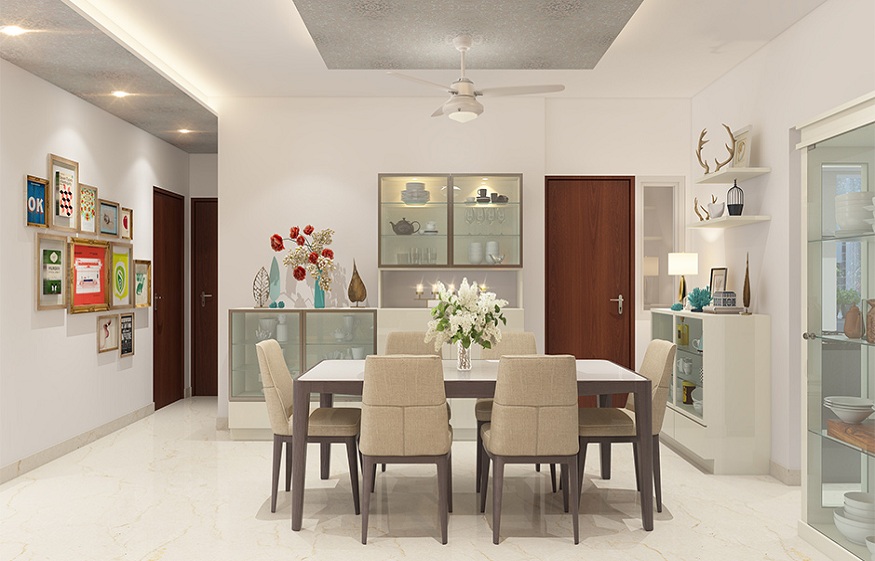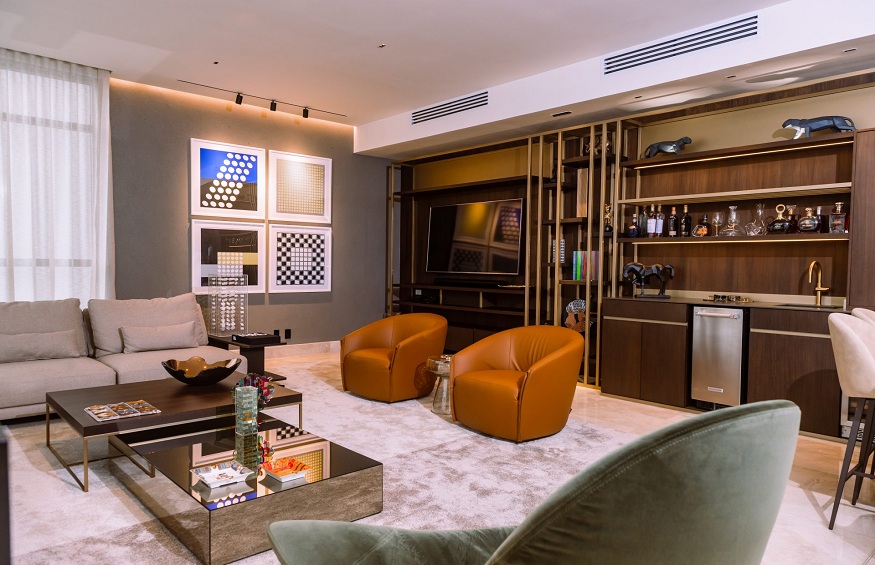


Lighting has always influenced how people feel in a space. But in today’s property market, it has become one of the most strategic design tools for presenting a home. Buyers make quick judgments during viewings. A bright, warm and welcoming setting helps them picture the home as their own. This means sellers and estate agents are now paying closer attention to how lighting shapes first impressions. The right lighting not only lifts a room. It also highlights the lifestyle that the property promises.
Modern buyers are more design aware. They browse stylish interiors online and arrive at viewings with higher expectations. This has pushed professionals to use lighting in more thoughtful ways. It’s now integrated into styling plans, mood creation and spatial flow. This is why lighting has become essential within staging interior design. It signals quality, comfort and atmosphere in a way few other elements can match.
Lighting as an Emotional Cue
Lighting influences how buyers experience a home emotionally. Warm lighting creates a sense of comfort. Bright task lighting brings clarity and purpose to key zones. Subtle accent lighting adds depth and a touch of luxury. These layers guide how someone feels as they move from room to room. When done well, lighting turns a property into a place that feels instantly liveable.
Property viewers often cannot articulate why one home feels better than another. But lighting is usually the silent reason. A soft glow in the hallway feels more inviting than a harsh ceiling light. A bedroom with relaxed illumination feels restful. A kitchen with well lit counters feels modern. These emotional cues help buyers form a connection with the property and strengthen the impact of the viewing.
How Lighting Shapes Space and Perception
Lighting changes how big or small a room appears. A dimly lit room can feel cramped or dated. But a well lit one appears more open and airy. Home stagers use this to weaken negative features. They brighten corners, highlight architectural lines and draw attention away from tighter spaces. Floor lamps, wall lights and strategically placed LED strips all help control how the space is perceived.
Viewers also respond to a sense of flow within the home. Consistent lighting from one room to another creates visual continuity. It keeps the viewing experience smooth and pleasant. Homes with mismatched light tones or inconsistent brightness can feel disjointed. This disrupts the buyer’s mental picture of living there. Good lighting solves this problem with a clean, cohesive feel throughout the home.
The Influence of Online Listings
Today’s buyers scroll through listings before arranging a viewing. Poor lighting in photos can instantly discourage interest. A grey or shadowy image suggests a dull and dated interior. This pushes the home to the bottom of a buyer’s list. But bright and balanced lighting makes a listing look vibrant. It encourages people to click through and book viewings.
Photographers now depend on a blend of natural and artificial lighting to produce impactful shots. Stagers prepare each room beforehand, ensuring lamps are placed at the right angles and light levels are balanced. This preparation pays off because bright images draw attention faster. With most property searches beginning online, lighting has become inseparable from digital presentation.
Lighting Trends That Attract Today’s Buyers
Buyers now respond to lighting features that combine style and practicality. LED lighting is one of the biggest shifts. It provides better efficiency and comes in a range of warm tones that mimic natural daylight. Home stagers choose LEDs because they’re versatile and long lasting. They also help reduce glare, creating a softer ambience.
Statement lighting has also grown in popularity. Feature pendants, sculptural lamps and modern wall lights add personality. These fixtures act like decor pieces. They help a property stand out, especially in open plan layouts. Under cabinet lighting and integrated strips in shelving units are another trend. They add subtle luxury without overwhelming the space. These small touches create a modern aesthetic that buyers instantly recognise.
Why Natural Light Still Matters
While artificial lighting is key in staging, natural light remains a major selling point. It gives buyers a sense of wellbeing and openness. Stagers often rearrange layouts to maximise natural light. Furniture is moved away from windows. Heavy curtains are replaced with lighter fabrics. Mirrors are positioned to bounce daylight across the room.
At the same time, natural light needs balancing. Harsh midday sunlight can create unwanted shadows or glare. This is why a combination of natural and artificial light is essential. Blended lighting ensures the property feels comfortable throughout the day. It also keeps rooms looking appealing, whether the viewing happens in bright morning light or at sunset.
Lighting for Lifestyle Presentation
Home staging is no longer only about showing the room’s function. It also presents a lifestyle. Lighting plays a central role in shaping that lifestyle image. A cosy living room setup with a soft floor lamp suggests quiet evenings. A well lit dining area helps buyers imagine hosting friends. Bright bathroom lighting gives a sense of cleanliness and modernity.
Homes that show a clear lifestyle image tend to feel more aspirational. Buyers are not only assessing structure and space. They’re imagining how their lives could fit into the property. Lighting sends those cues subtly. It shows how the home can adapt to work, relaxation and social activities. This is why lighting is now treated as part of the home’s storytelling.
Energy Efficiency and Buyer Expectations
Sustainability has become more important for homeowners. Energy efficient lighting appeals to both environmentally conscious buyers and those thinking about long term costs. LED bulbs, smart lighting systems and automated sensors make the home feel future ready. Sellers who showcase these features position their property as modern and efficient.
Smart lighting, in particular, impresses younger buyers. Being able to adjust brightness or colour temperature from a phone adds convenience. It also supports different moods for different activities. These features elevate the home and make it stand out in competitive markets. They also reassure buyers that the property is updated and energy smart.
The Role of Home Stagers and Estate Agents
Estate agents and top home staging companies now use lighting as part of their marketing strategy. They understand that small adjustments create stronger impressions. They also know that visually appealing spaces attract more viewings. Lighting becomes a simple but powerful tool to enhance value without major renovation costs.
Stagers often bring their own selection of lamps and lighting accessories. They adapt them to each property. This allows them to give every home a polished finish. Estate agents, on the other hand, emphasise lighting during viewings. They switch on lamps, open blinds and create the right mood. This teamwork results in a presentation that resonates with buyers.
Conclusion
Lighting has moved from being a background feature to a central selling element. It sets the tone for every room and influences how buyers feel about the property. It shapes space, improves photography and enhances lifestyle appeal. It also supports energy efficiency and modern living expectations. Together, these benefits make lighting one of the most valuable elements in staged homes today.
As the property market becomes more competitive, sellers need every advantage. Well planned lighting gives them that advantage. It elevates the presentation of the home without demanding major investment. It strengthens marketing efforts and helps buyers fall in love with the space faster. Lighting has truly become the must have feature that shapes successful staging outcomes.