

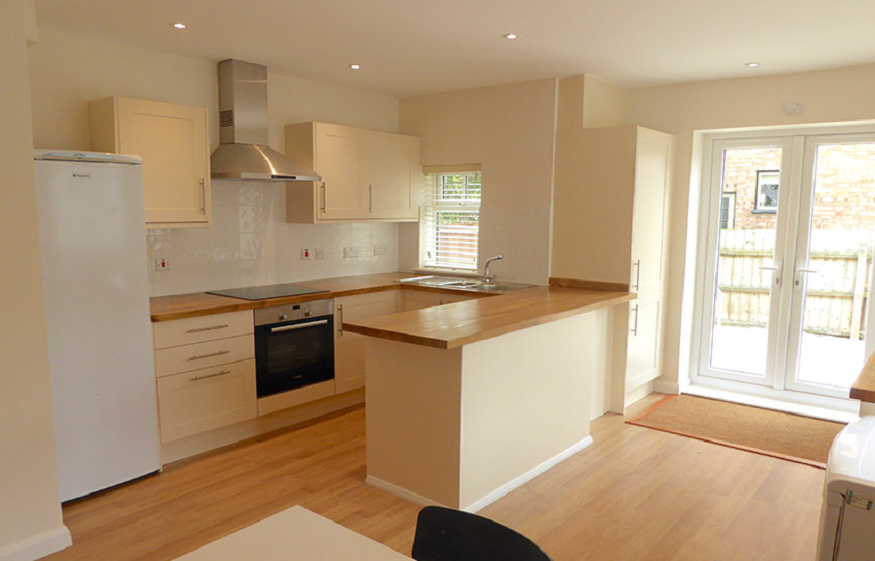
Planning a house renovation can feel overwhelming, especially in a historic and highly regulated city like Cambridge. Whether you own a Victorian terrace, a modern townhouse, or a period property near the city centre, careful planning is essential.
A successful house renovation Cambridge project requires more than good ideas. You need a clear plan, realistic budgeting, reliable professionals, and an understanding of local rules. Without these, even small projects can quickly become stressful and expensive.
This comprehensive checklist is designed specifically for Cambridge property owners. It walks you through every stage of the renovation process, from early planning to final inspections, helping you avoid common pitfalls and make informed decisions.
1. Define Your Renovation Goals
Before you contact builders or designers, be clear about why you are renovating.
Ask yourself:
- Are you improving the property to live in long term?
- Are you renovating to increase resale value?
- Do you need more space, better energy efficiency, or modern features?
Common renovation goals in Cambridge include:
- Kitchen and bathroom upgrades
- Loft conversions and extensions
- Period property restoration
- Improving insulation and energy performance
Write down your priorities. This will help you stay focused when decisions become difficult later.
2. Assess the Condition of Your Property
A thorough property assessment is crucial before starting any house renovation Cambridge project.
Consider commissioning:
- A full building survey
- A structural engineer’s report if alterations are planned
- An energy performance assessment
Pay close attention to:
- Damp and mould issues
- Roof condition
- Electrical and plumbing systems
- Timber decay in older properties
Older Cambridge homes often hide problems behind walls and floors. Identifying these early prevents costly surprises during construction.
3. Set a Realistic Renovation Budget
Budgeting is one of the most important steps in any renovation checklist.
Your budget should include:
- Design and professional fees
- Construction and labour costs
- Materials and finishes
- Planning and building control fees
- Temporary accommodation if needed
- A contingency fund of at least 10–15%
Cambridge renovation costs can be higher than the UK average due to demand for skilled trades. Avoid underestimating expenses, especially for structural work and specialist materials.
4. Understand Planning Permission Requirements
Cambridge City Council has strict planning rules, particularly for:
- Conservation areas
- Listed buildings
- Properties near colleges or historic sites
You may need planning permission for:
- Extensions and loft conversions
- Structural alterations
- Changes to the external appearance
- Converting properties into flats
Even if your project falls under permitted development, always confirm with the local authority. Failing to obtain approval can result in enforcement action and delays.
5. Check Building Regulations Compliance
All major renovation work must comply with UK building regulations.
This includes:
- Structural safety
- Fire protection
- Insulation and energy efficiency
- Electrical and gas installations
- Drainage and ventilation
You will need approval from building control, either through the council or an approved inspector. Certificates must be issued on completion, as these are essential when selling your property.
6. Choose the Right Professionals
A successful house renovation Cambridge project depends on skilled and trustworthy professionals.
You may need:
- An architect or architectural technologist
- A structural engineer
- A project manager
- Qualified builders and tradespeople
When selecting contractors:
- Check local experience in Cambridge
- Ask for references and examples of similar projects
- Confirm insurance and certifications
- Avoid unusually low quotes
Local knowledge is especially valuable when working with period properties or planning restrictions.
7. Create a Detailed Design and Specification
Clear designs prevent confusion and disputes during construction.
Your design package should include:
- Floor plans and elevations
- Structural drawings
- Electrical and plumbing layouts
- Detailed specifications for materials and finishes
Be specific about:
- Flooring types
- Kitchen and bathroom fittings
- Lighting and power points
- Doors, windows, and insulation standards
The more detail you provide upfront, the smoother the renovation process will be.
8. Plan Your Renovation Timeline
Renovations often take longer than expected, so realistic scheduling is essential.
Factors that affect timelines include:
- Planning approval times
- Availability of trades
- Delivery of materials
- Weather conditions
- Unexpected structural issues
Discuss a phased schedule with your contractor. Allow extra time if you are renovating a lived-in property or a listed building.
9. Consider Energy Efficiency and Sustainability
Energy efficiency is a growing priority for Cambridge homeowners.
Popular upgrades include:
- Improved insulation
- Double or triple glazing
- Energy-efficient boilers
- Underfloor heating
- Solar panels and heat pumps
These improvements can reduce long-term energy bills and increase property value. Some upgrades may also qualify for government incentives or grants.
10. Prepare for Living Arrangements
Decide whether you will:
- Live in the property during renovation
- Move out temporarily
- Phase the work room by room
Living on-site can save money but may increase stress and extend timelines. Consider noise, dust, and loss of facilities before deciding.
11. Manage the Build Stage Effectively
Once work begins, regular communication is vital.
Best practices include:
- Weekly site meetings
- Written updates and progress reports
- Prompt decisions on variations
- Keeping a record of costs and changes
Avoid frequent design changes once construction is underway. These often lead to delays and higher costs.
12. Monitor Quality and Compliance
Do not wait until completion to check workmanship.
Inspect:
- Structural work before it is covered
- Plumbing and electrical installations
- Insulation and damp proofing
- Finishes and fittings
Ensure building control inspections are carried out at each required stage. Address issues early to avoid costly rework later.
13. Final Inspections and Snagging
As your house renovation Cambridge project nears completion, carry out a full snagging inspection.
Check for:
- Cosmetic defects
- Faulty fittings
- Incomplete work
- Compliance certificates
Do not make the final payment until all agreed work is completed and documented.
14. Keep All Documentation Safe
After completion, store all documents securely.
These should include:
- Planning approvals
- Building control certificates
- Electrical and gas safety certificates
- Warranties and guarantees
- Final drawings and specifications
These documents are essential for insurance, future renovations, and property sales.
Conclusion
A well-planned house renovation can transform your Cambridge property and significantly increase its value. However, success depends on preparation, professional support, and attention to detail at every stage.
By following this checklist, Cambridge property owners can approach renovation projects with confidence. From budgeting and permissions to design and final inspections, each step plays a vital role in achieving a smooth and successful outcome.
With the right planning and local expertise, your house renovation Cambridge project can be both rewarding and stress-free.